Prioritize Data Center Sustainability & Carbon Avoidance
Optimize Your Carbon Footprint with Circular Economy Strategies
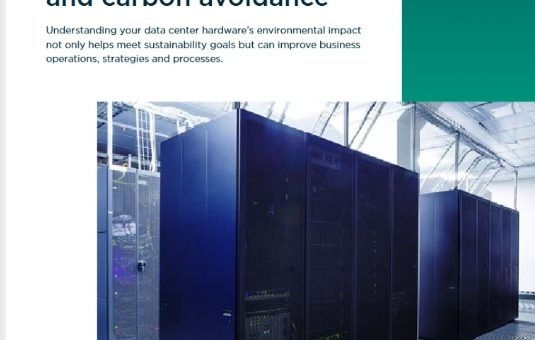
Empower Your Data Center with Sustainability
As businesses strive toward net neutrality by 2025, it’s critical to evaluate and reduce the carbon impact of your operations. While industries like automotive, manufacturing, and transportation often take center stage in carbon reduction efforts, the IT and data center industry plays a crucial role. With growing demand for data centers, the environmental footprint of hardware manufacturing, transportation, use, and disposal cannot be overlooked.
Now is the time to understand your carbon footprint and take action to achieve your sustainability goals. Learn how to make smarter decisions for your data center operations while reducing emissions and optimizing resource use.
Why Focus on Data Center Sustainability?
McKinsey’s 2025 Forecast
The demand for data centers in the U.S. is expected to grow by 10% annually until 2030, leading to more equipment manufacturing, transportation, and energy consumption—all contributing to increased carbon emissions.
Corporate Sustainability Reporting
The European Union’s CSRD, effective January 2023, requires businesses to disclose their carbon emissions (Scope 1, 2, and 3). This shift toward transparency is a global trend that all businesses must prepare for.
By addressing carbon emissions in your data center, you can stay ahead of regulations and improve your environmental impact.
Key Areas of Carbon Impact in Data Centers
The Carbon Emission Lifecycle of Data Center Equipment
Data center equipment generates carbon emissions in four key phases:
- Manufacturing: From material sourcing to final assembly, hardware production is energy-intensive.
- Transportation: Distribution from the manufacturer to your data center adds carbon through logistics and fuel consumption.
- Use: The ongoing operational use of equipment, including energy consumption for power and cooling, contributes the most to the carbon footprint.
- End-of-Life (EOL): Recycling, disposal, and IT asset disposition (ITAD) processes also create emissions.
Circular Economy for Data Centers: A Game-Changer for Sustainability
What is a Circular Economy?
A circular economy focuses on extending the life of products through reuse, repair, and recycling, which reduces waste and minimizes the need for new materials. By adopting circular economy principles, you can significantly reduce your carbon footprint, conserve resources, and optimize the lifecycle of your IT equipment.
This article is posted at serviceexpress.com
Please fill out the form to access the content