
Welcome to “Charting the Course”
Understanding Payment Trends in the Financial Sector in 2024
This comprehensive guide is specifically designed for mid-sized financial service providers, including fintechs, lenders, building societies, and credit unions. Here, we will explore the changing landscape of customer relationships with financial providers, focusing on their payment expectations and experiences.
What You’ll Learn:
- Customer Expectations: Discover what your customers prioritize when choosing a financial provider. While payment systems may not always be top of mind, the efficiency, convenience, and security of these processes play a vital role in shaping their overall experience.
- Challenges Customers Face: Learn about the difficulties customers face with payment systems, and why streamlining these processes is crucial to maintaining trust and satisfaction.
- Payment Experience Analysis: We’ll compare the latest payment trends and insights from the broader financial services sector, examining which companies are excelling in customer payment experiences and how you can stay ahead in a competitive market.
Why Payments Matter
In a competitive industry like financial services, payment systems can make or break the customer experience. High-quality, seamless payment processes are not just a convenience – they are the backbone of many essential services. Without reliable payment systems, customers would face frustrations like being unable to make loan overpayments or pay bills on time, leading to dissatisfaction and potentially lost business.
Changing Consumer Behavior
The way consumers pay has evolved rapidly over the past decade. People are increasingly choosing digital solutions, from smartphones and wearable devices for instant payments to apps that allow quick and easy money transfers. Recent statistics show that:
- 86% of adults now use online, mobile, or telephone banking services.
- 1 in 3 adults are registered for mobile payment services.
- Cash payments have decreased dramatically from 54% a decade ago to just 14%.
For younger generations, traditional methods like paying with cheques or visiting a bank branch are becoming increasingly outdated. This shift is great news for digital-only fintechs, but for more traditional financial services such as building societies and credit unions, there’s a balancing act to consider. These institutions need to meet the needs of a broader demographic, including older, vulnerable, and less digitally confident customers. To succeed, they must offer both online and offline payment options that cater to all customer preferences.
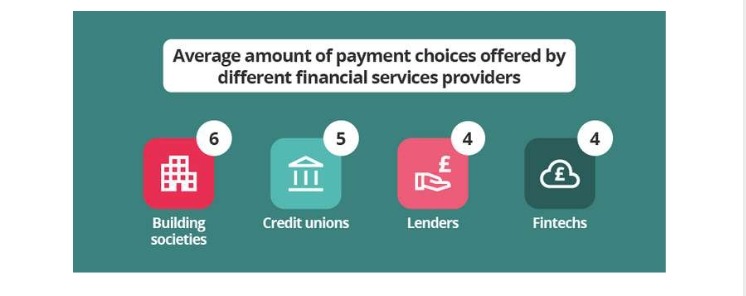
Key Payment Trends in 2024
In this guide, we dive into the following areas:
- Adapting to Digital Payment Preferences: Understand how financial providers can integrate advanced digital payment solutions to keep up with evolving customer needs.
- Inclusive Payment Options: Ensure that your offerings cater to a diverse customer base by providing both digital and offline payment options, especially for those who are not fully digitally confident.
- Security & Trust: Explore how payment systems can ensure the security of customer data and payments, which is increasingly important for gaining and retaining customer trust.
- Competitive Advantage: Learn how top-performing financial providers are using their payment systems to enhance customer experience, build loyalty, and stay ahead of competitors.
This article is posted at theaccessgroup.com

Please fill out the form to access the content