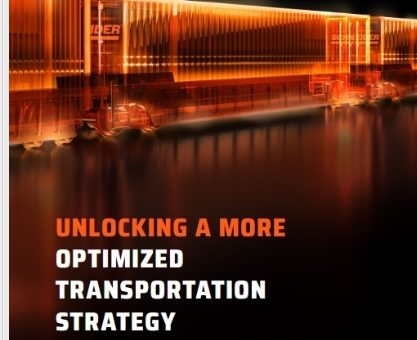
In an increasingly unpredictable transportation market, businesses are looking for more cost-effective, flexible, and sustainable shipping solutions. Intermodal transportation a combination of rail and road offers a way to optimize freight movements, diversify shipping methods, and reduce costs. Here’s why you should consider integrating intermodal into your long-term transportation strategy.
What You Will Learn:
- Three reasons to consider integrating intermodal into your long-term strategy.
- Six things to look for when choosing an intermodal provider.
- Three ways to make the most of your intermodal moves.
- How to tap into the “rail revolution” and transform your freight logistics.
Why You Should Look Again at Intermodal Shipping
The transportation market has always been subject to shifts and disruptions—whether due to extreme weather, port congestion, or sudden changes in carrier availability. With rising operational costs, trucker shortages, and the financial strain of overcapacity, it’s becoming more important than ever to diversify your transportation methods.
Intermodal — combining rail with truck freight — is often more cost-effective and offers stability, especially when:
- Your shipments travel 300 miles or more.
- You have consistent shipments going to the same metro location.
- Your facility is within 250 miles of a rail ramp.
- You are shipping heavy loads (up to 46,000 lbs).
- You need cross-border transportation.
As market conditions evolve, intermodal transportation provides flexibility, reduces your reliance on a single mode of transport, and optimizes costs — even during disruptions.
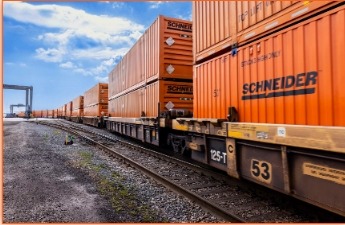
Three Reasons to Consider Intermodal for Your Long-Term Strategy
1. Competitive Pricing Without Long-Term Contracts
Traditional long-term contracts can lock you into fixed rates that may not always align with market conditions. With intermodal transportation providers offering promotional pricing contracts, you get the benefits of guaranteed capacity without the restrictive terms of long-term agreements. These contracts are typically renewed every 3 months, providing pricing stability and flexibility to adjust as market conditions change.
2. Diversify Freight to Mitigate Bottlenecks & Capacity Constraints
No two shipments are alike, and no one transportation solution works for all freight. Diversifying your transportation modes across multiple carriers helps mitigate risk, avoid capacity shortages, and streamline delivery processes. Intermodal shipping allows you to:
- Reduce dependency on the over-the-road market.
- Tap into scalable rail relationships for improved efficiency.
- Utilize the spot market for lanes that require flexible solutions.
By incorporating intermodal, your business can maintain smoother operations, even during capacity crunches.
3. Achieve Sustainability Goals
Sustainability is more than just a buzzword—it’s a priority for modern supply chains. Shipping via rail can reduce CO2 emissions by 30% compared to traditional trucking. Intermodal providers that prioritize sustainability help businesses achieve their green goals through:
- Alternative fuel solutions (like battery-electric trucks).
- Carbon reduction strategies to minimize emissions.
- Network optimization and freight consolidation to reduce empty miles and environmental impact.
By leveraging intermodal, you not only improve efficiency and cut costs but also make a meaningful impact on your company’s carbon footprint.
This article is posted at schneider.com

Please fill out the form to access the content